PM Apna Ghar Programme – Why 13,000 Applications Got Rejected
PM Apna Ghar Programme
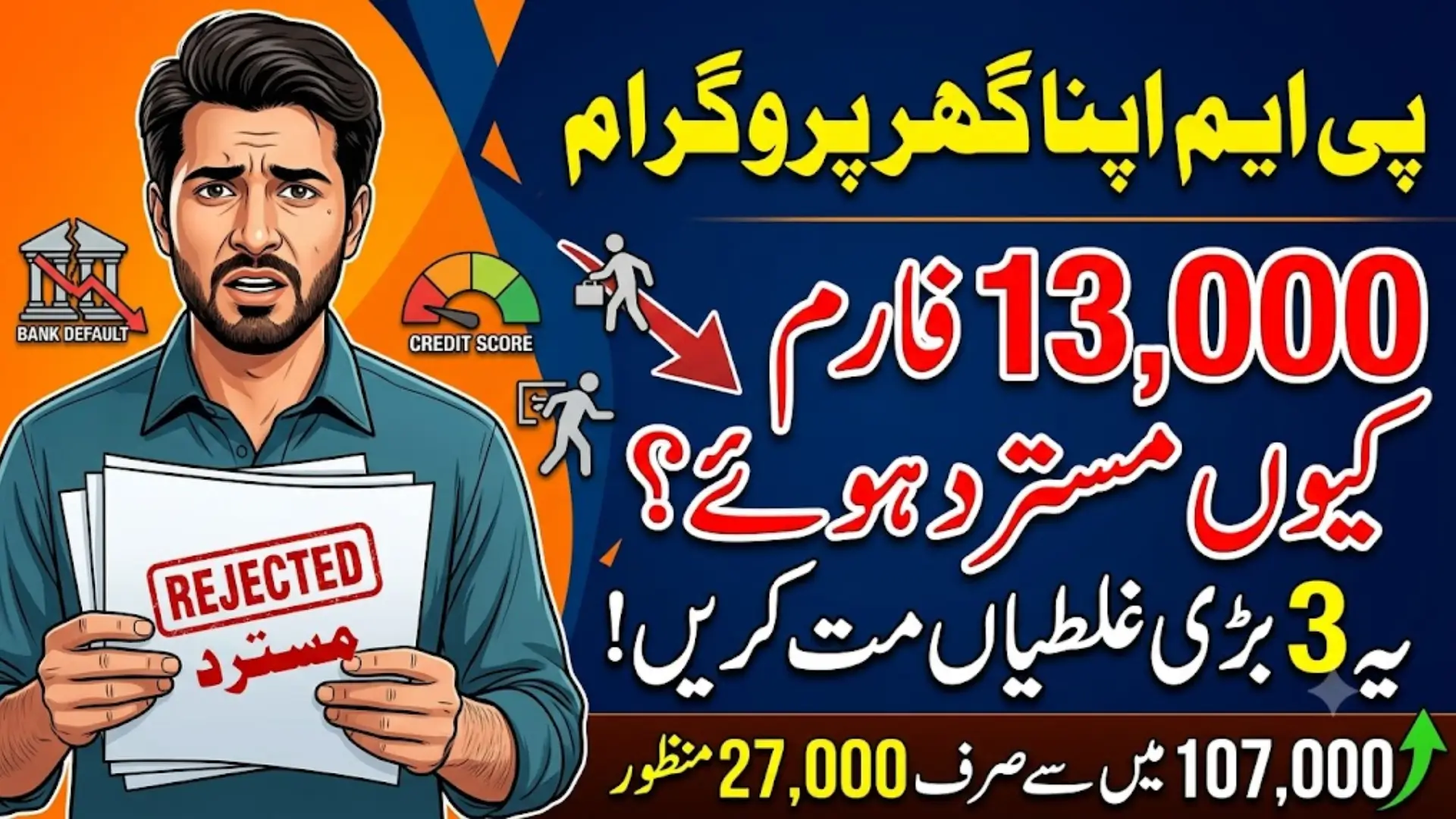
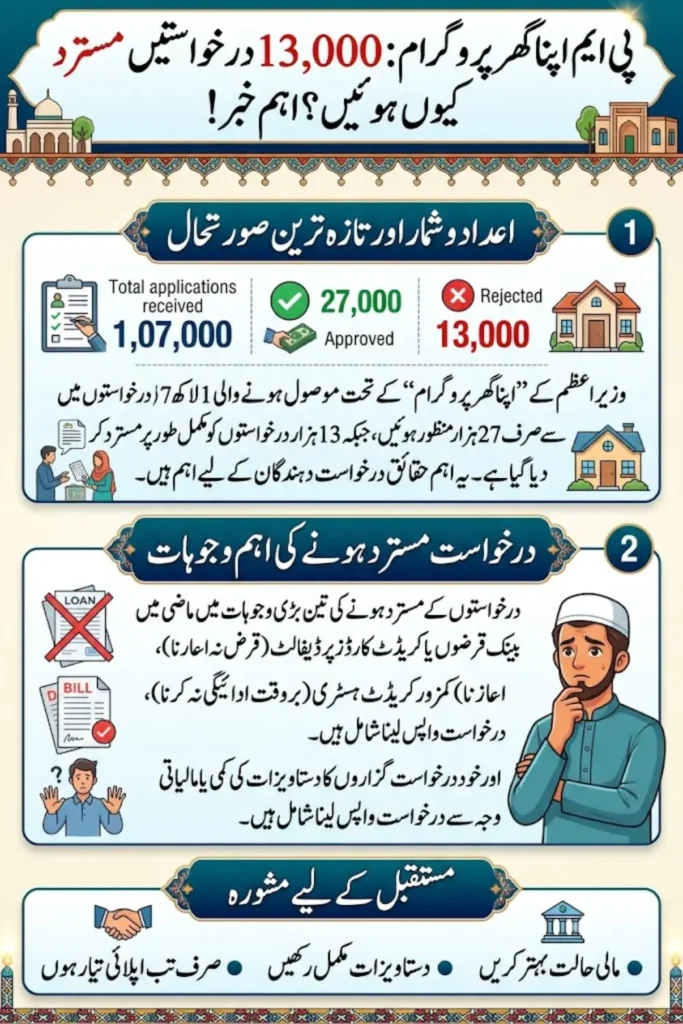
Out of 107,000 people who applied for the PM Apna Ghar Programme, only 27,000 got approved. Another 13,000 were rejected outright, and the rest are still sitting in review. If you’re planning to apply, knowing exactly why so many applications fail could save you from becoming one of them.
The Real Numbers Behind This Scheme
The PM Apna Ghar Programme has received a strong response since its launch, but the approval numbers tell a more complicated story than the scheme’s big headline figures suggest.
| Status | Number of Applications |
|---|---|
| Total applications received | 107,000 |
| Approved | 27,000 |
| Rejected | 13,000 |
| Still under review | Remaining balance |
That means roughly 1 in 8 applicants who applied were turned down completely, while the majority are still waiting on a decision.
Why Applications Actually Get Rejected
Based on the reasons officially cited, rejections under this scheme come down to three main causes. None of them are random or unfair — they’re standard financial checks that any applicant can prepare for in advance.
1. Loan Defaults on Record
If you have an existing loan default on your credit history, whether from a previous bank loan, credit card, or another financing product, this becomes a major red flag for the bank reviewing your application. Banks check this through your credit report before approving any new housing finance.
2. Poor Credit History
Even without a full default, a weak overall credit history can lead to rejection. This includes late payments, missed installments, or a pattern of inconsistent repayment on past financial products.
3. Applicants Withdrawing Mid-Process
A portion of the 13,000 rejections weren’t bank-driven at all. Some applicants started the process and then withdrew their own request before it was completed, whether due to changing circumstances, difficulty gathering documents, or reconsidering their financial commitment.
Also Read: Apna Ghar Mehfooz Ghar vs Bank Loan – Which Is Better in 2026?
What This Tells You About the Approval Process
The fact that loan defaults and credit history are the leading rejection reasons tells you something important: this scheme isn’t approving applications automatically just because someone qualifies on paper for a subsidized rate. Banks are still applying real financial scrutiny before releasing funds.
This is actually useful information. It means your chances of approval depend heavily on your own financial discipline before you even submit your application, not just on meeting the scheme’s basic eligibility criteria.
How to Avoid Being Part of the Rejected 13,000
Check Your Credit History Before You Apply
Before submitting anything, find out where you stand. If you’ve missed payments on a credit card, personal loan, or any other financial product in the past, address it or at least know about it going in, rather than being surprised by a rejection later.
Clear Any Outstanding Defaults First
If you have an unresolved default with any bank, settling it before applying for PM Apna Ghar significantly improves your chances. Applying with an active default on record is one of the clearest paths to automatic rejection.
Don’t Apply If You’re Not Financially Ready
If you’re still unsure about your income stability or your ability to manage the required down payment and documentation, it may be worth waiting a few months rather than applying now and withdrawing later. A withdrawn application still counts against the overall approval numbers and wastes your own time.
Prepare Complete Documentation Upfront
While documentation issues weren’t listed as a formal rejection category here, incomplete paperwork often leads directly to processing delays that push applicants toward frustration and eventual withdrawal. Have your CNIC, income proof, and property documents ready and accurate before you start.
Be Honest About Your Income and Employment Details
Since banks are actively verifying financial background, providing accurate information from the start avoids complications partway through the review process that could otherwise stall or derail your application.
Also Read: PM Housing Loan Scheme 2026 via HBL: Updated Application Guid
What Happens If You Get Rejected
A rejection under this scheme doesn’t necessarily mean you’re permanently excluded from housing finance. If your rejection was due to a credit issue, resolving that issue and reapplying at a later date, once your credit history has improved, remains a realistic path forward.
If you’re unsure exactly why your specific application was rejected, contact your participating bank directly for clarification rather than assuming. Different banks may communicate rejection reasons differently, and getting specifics can help you address the actual issue before trying again.
Also Read: PM Apna Ghar Programme: Now NBFCs Can Also Give You a Home Loan
Conclusion
Loan defaults, poor credit history, and applicant withdrawals account for the 13,000 rejections seen so far under the PM Apna Ghar Programme. None of these reasons are arbitrary, which means you have real control over your own outcome. Check your credit standing, clear any outstanding defaults, and apply only once you’re genuinely ready to follow through, and your chances of joining the 27,000 approved applicants improve considerably.
Also Read: Mera Ghar Mera Ashiana vs PM Apna Ghar vs Apni Chhat Apna Ghar Which One Is Right for You?
FAQs
How many people have applied for the PM Apna Ghar Programme so far?
107,000 applications have been received, with 27,000 approved and 13,000 rejected. The remaining applications are still under review.
What is the main reason applications get rejected?
The leading reasons are loan defaults, poor credit history, and applicants withdrawing their own requests during processing.
Can I reapply after being rejected?
Yes, particularly if your rejection was related to a credit issue. Resolving the underlying problem and reapplying later remains a valid option.
Does a poor credit history always mean automatic rejection?
Not always, but it significantly increases the risk of rejection since banks review credit history as part of standard loan evaluation for this scheme.
Why would someone withdraw their own application?
Reasons vary, but commonly include difficulty gathering required documents, changing personal circumstances, or applicants reconsidering their financial readiness partway through the process.
How can I check my credit history before applying?
Contact your bank or Pakistan’s credit information bureau to review your credit report, so you know your standing before submitting a PM Apna Ghar application.
Also Read: PM Apna Ghar Programme 2026: How to Get a Loan from NBFCs (Step-by-Step Guide)